Welcome Message
Lucia Boldrini, President, ICLA
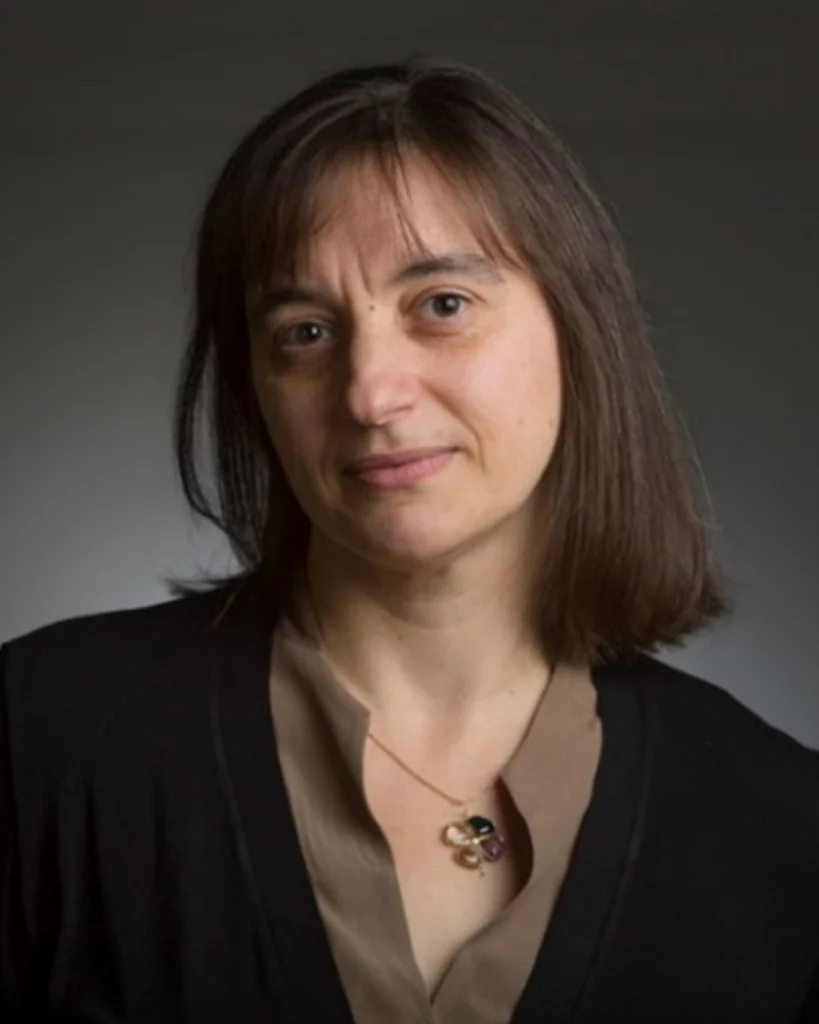
It is a pleasure to invite you to the XXIV International Congress of the International Comparative Literature Association at the KINTEX Conference Centre in Goyang City, part of the Seoul metropolitan area.
2025 is a special year: a year of anniversaries. The International Comparative Literature Association was founded 70 years ago, in 1955, and held its first Congress in that year in Venice, Italy. It is especially exciting for us to celebrate in Korea this significant milestone in the ICLA’s life, for two reasons at least.
One is that it coincides with the 15th anniversary of the ICLA’s first ever congress in the Republic of Korea, in Seoul, in 2010. I have fond and unforgettable memories of that event, and know that this Congress will be just as wonderful again, thanks to our Korean hosts’ generous hospitality, their inventiveness in putting the programme and social events together for us, and also, of course, thanks to the beauty, culture and traditions of Korea.
The other reason is that the Republic of Korea is one of very few countries that have 2 Associations of Comparative Literature that are both member associations of the ICLA: KCLA, the Korean Association of Comparative Literature, and KEASTWEST, the Korean East-West Comparative Literature Association, co-sponsor of this Congress. It should not be surprising, therefore, that we return here once more for the triennial gathering of our world-wide community, and we are very grateful to our hosts, including Dongguk University, where the ICLA Executive Council meeting will be held just before the Congress.
The Programme promises to be immensely rich and varied, relevant to the fast-changing world that we live in. It inspires us to think more, and differently, about the world and its representations in literature and the arts, through different technologies, in the present and across time. The Organizing Committee’s appropriate choice of theme, “Comparative Literature and Technology”, is definitely a hot topic today, but the Congress’s many sessions and panels will also invite reflection on many other important topics, too, catering to everyone’s interests, as is typical of our triennial conventions.
Congresses are also a precious opportunity to meet old friends again and make new ones; resume ongoing conversations or develop new collaborations across boundaries, cultures and languages, together in the diversity of our approaches, opinions, and experiences, whether as seasoned scholars or as researchers at the beginning of their careers. We fully expect that this will be the case once again, and are eager to hear from you, during or after the Congress, about proposal and initiatives that you think the ICLA should support.
I look forward to meeting with many of you in person, and, on behalf of the International Comparative Literature Association, I wish you all a rewarding, thought-provoking and thoroughly enjoyable XXIV International ICLA Congress!
Professor Lucia Boldrini
ICLA President (2022-2025)
Youngmin Kim, Congress Chair
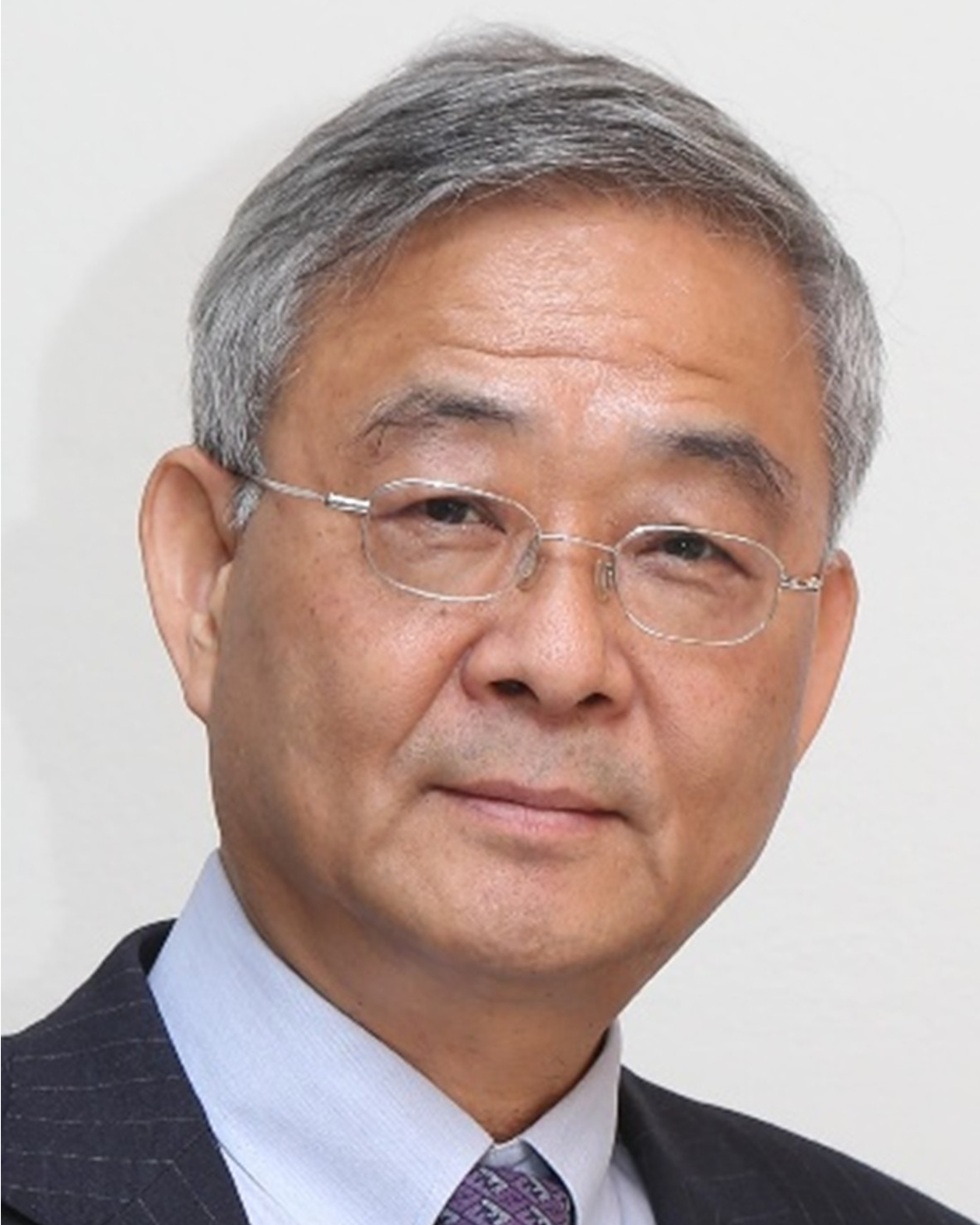
It is with great pleasure and deep anticipation that I welcome you to the XXIV International Congress of the International Comparative Literature Association, held in Korea under the theme “Comparative Literature and Technology.” As Congress Chair, I am honored to host this global gathering at a moment when the humanities are undergoing profound transformation.
Our theme reflects a critical juncture in comparative literature studies—one shaped by the convergence of world literature, digital humanities, and transmedia art. In this era of rapid technological evolution, we are called to reimagine the role of literature not only as a repository of cultural memory, but as a dynamic interface between human cognition and machine intelligence, between the poetic and the algorithmic.
At the same time, this Congress affirms the enduring relevance of comparative literature’s foundational methods—close reading, historical contextualization, and cross-cultural analysis. Rather than displacing these traditions, technology invites us to extend and reframe them. The digital turn challenges us to think comparatively not only across languages and cultures, but also across platforms, media, and modes of knowledge production.
This Congress invites us to explore the “technological sublime,” a concept that resonates with the awe and anxiety provoked by artificial intelligence, machine translation, and the automation of thought. It also challenges us to consider how digital platforms, data-driven methodologies, and transmedia storytelling are reshaping the ways we read, write, and interpret texts across languages and cultures.
We are especially grateful to our host institution, Dongguk University, and to the City of Goyang for their generous support and warm hospitality. Our sincere thanks also go to the Ministry of Culture, Sports and Tourism of the Republic of Korea for their invaluable sponsorship. I would like to extend heartfelt appreciation to the ICLA Executive Council members for their guidance, and to the Korean Organizing Committee and Secretariat for their tireless dedication in bringing this Congress to life.
We are honored to welcome our distinguished keynote speakers, the chairs of the 14 Research Committees, and the conveners of the Group Proposal Sessions, whose intellectual leadership has shaped the rich and diverse program we are about to experience.
As scholars, translators, creators, and students, we are tasked with navigating the shifting terrain of comparative literature in a world increasingly mediated by code, networks, and intelligent systems. Yet this is also a moment of opportunity—a chance to forge new methodologies, to reimagine the archive, and to cultivate a more inclusive, transnational, and technologically attuned literary discourse—while remaining grounded in the interpretive rigor and humanistic insight that have long defined our field.
I hope this Congress will serve not only as a forum for rigorous inquiry, but as a space of inspiration, collaboration, and renewal. Let us embrace the challenge of thinking literature differently—across media, across disciplines, and across the thresholds of the human and the machinic.
Professor Youngmin Kim
Congress Chair, XXIV ICLA Congress Seoul
Yun, Jae-woong, President, Dongguk University
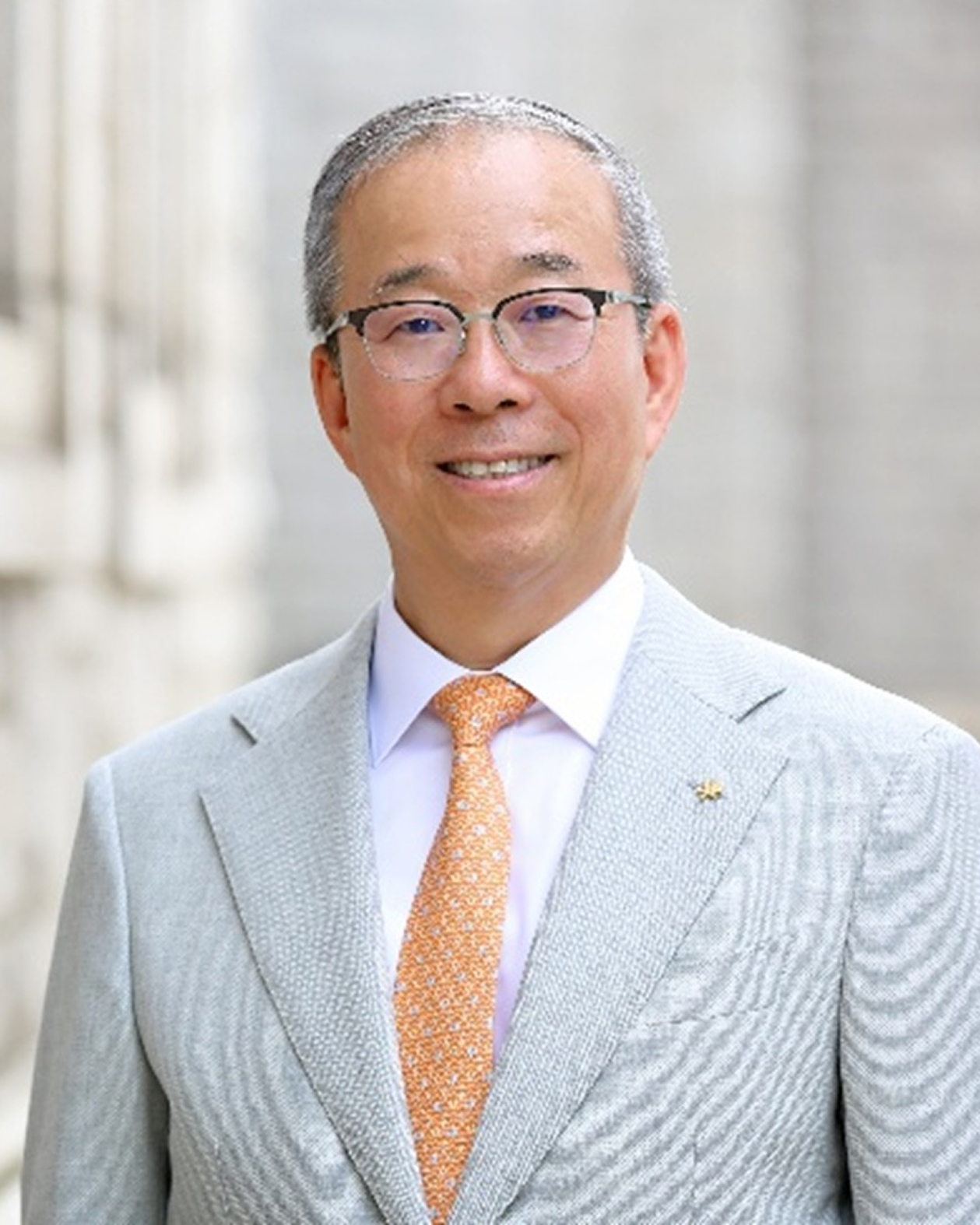
Dear Members of the ICLA, Esteemed Scholars, and Distinguished Guests from Around the World,
It is a great honor and privilege for Dongguk University to host the 2025 International Comparative Literature Association (ICLA) Congress. On behalf of our entire academic community, I extend to you the warmest welcome to our campus, nestled in the heart of Seoul, a dynamic city where ancient traditions and cutting-edge innovation coexist in harmony.
Dongguk University is known for its rich literary heritage and unique academic environment. Over the years, it has nurtured many renowned writers and scholars who have made significant contributions to literature and the humanities. Guided by the principles of Buddhism, our institution upholds the values of intellectual openness, cultural diversity, and a profound respect for the humanities.
The theme, “Comparative Literature and Technology,”invites us to examine the ever-evolving relationship between literary expression and technological advancement. Together, we will explore how literature both influences and responds to emerging digital and technological landscapes, and how the field of comparative literature can offer insight into a more inclusive and interconnected global society.
We hope this Congress serves not only as a platform for meaningful academic exchange but also as a space for cultivating lasting friendships and vibrant scholarly networks. We encourage you to actively engage in discussions, share your perspectives, and also take full advantage of the rich cultural experiences that Seoul has to offer.
We hope your time here may deepen your appreciation of Korean literature, arts, and philosophy, and mark the beginning of new collaborations that transcend borders and disciplines.
Once again, welcome to Dongguk University. We are honored to have you with us and look forward to an inspiring and fruitful gathering.
Thank you.
Professor Jae-woong Yun
President, Dongguk University
Dong-Hwan Lee, Mayor of Goyang Special City
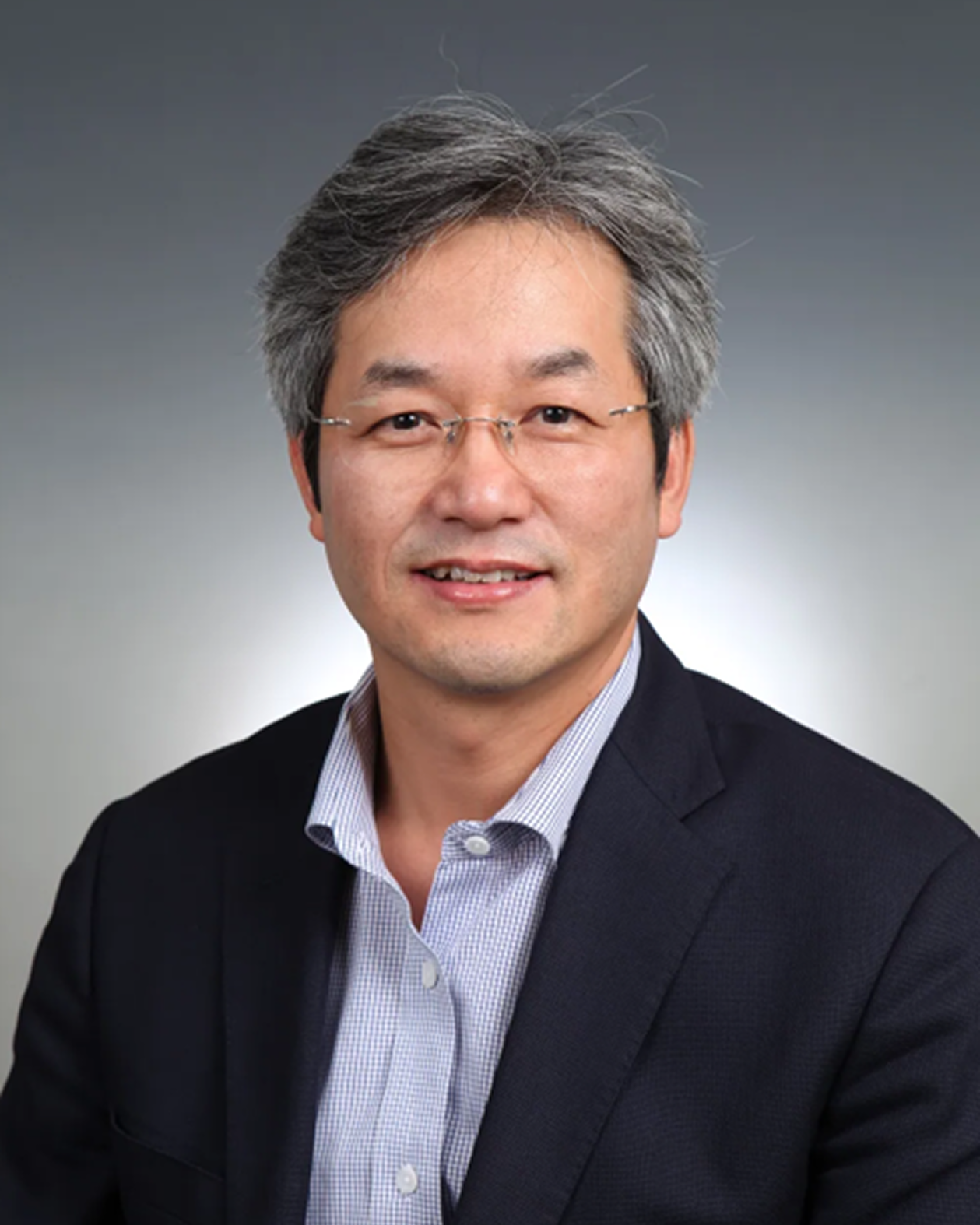
Distinguished scholars from around the world, and all those who cherish literature,
It is my sincere pleasure to extend a warm welcome on the occasion of the 24th International Comparative Literature Association Congress.
Literature has long explored the human condition, offering insights into diverse lives and enabling deep reflection on our shared world. This literary journey, in many ways, mirrors the path humanity has walked together.
The theme of this year’s Congress, “Comparative Literature and Technology,” invites us to reflect on the evolving intersections between literature and technology in a rapidly changing world.
Digital technology has transformed the way literature is created and circulated, while new tools—such as artificial intelligence—have opened fresh possibilities and lines of inquiry in literary research. Technology continues to expand the boundaries of literature, while also prompting deeper reflection on humanity and the role of art.
This Congress brings together the ICLA’s 70-year legacy of scholarship and the passionate intellectual exchange of researchers from around the world. In this space where languages and ideas intersect, I believe we will deepen our understanding of one another through literature, and that this process will help illuminate a path forward in our times.
I sincerely congratulate you on the opening of the 24th ICLA Congress, and hope the discussions and exchanges held here will provide lasting inspiration for future literary research and creative work.
Thank you.
Dong-Hwan Lee, Mayor of Goyang Special City
Youn-Gil Jeong, President, KEASTWEST
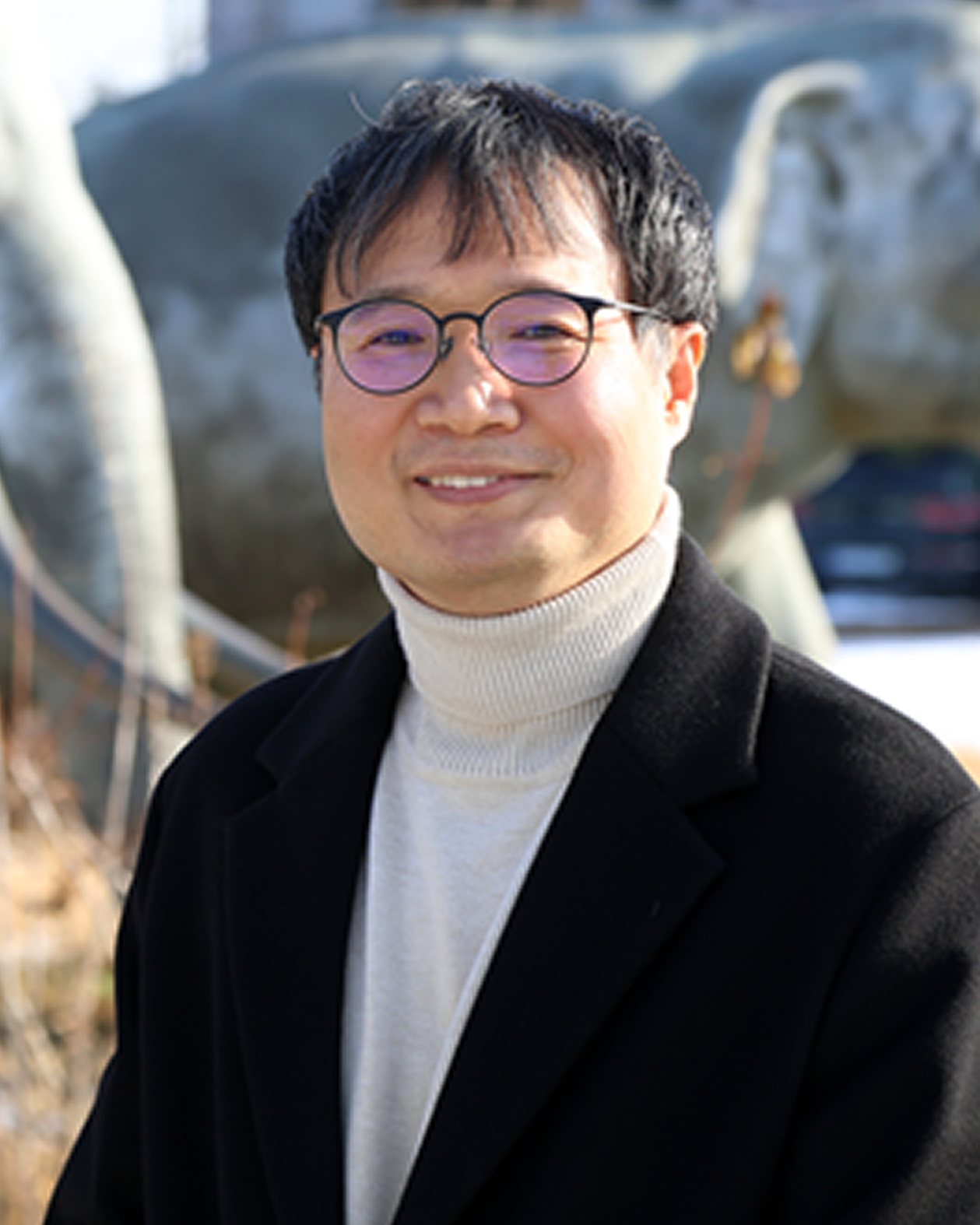
Honored scholars,
On behalf of the Korean Association of East-West Comparative Literature, I would like to extend a warm welcome to you from all over the world. Since its establishment in 1997, the Society has been dedicated to shedding light on the universality and diversity of human civilization through the comparative study of Eastern and Western literature and thought. In the complex cultural and social crises we face today, literature serves as an invaluable bridge between different languages and traditions, sensibilities and ideas.
Through this global academic event, we hope to explore together how literature from the East and the West can illuminate each other, and how dialogues can lead to new insights. Literature is more than just artistic expression; it is a forum for reflection across time and culture. We are confident that your research and discussion will enrich that space.
Under the theme of “Literature for Dialogue and Coexistence,” we invite you to consider how literature can shape the direction of the world. I believe that this gathering of scholars from different languages and cultures to share their deep reflections will be intellectually stimulating and inspiring for all of us.
In closing, I would like to express my deepest gratitude to the organizing committee and sponsors for all their efforts to make this conference a success. I wish all the participants from all over the world a meaningful and fruitful time.
Yours sincerely.
Professor Youn-Gil Jeong, President, The Korean Association of East-West Comparative Literature